
Does Your Cape Cod Website Need a Mobile Booking Feature?

As spring weather warms up on Cape Cod, we’re already seeing early planning behaviors from vacationers. That shift always comes with a jump in mobile traffic, especially for restaurants, inns, tour operators, and service-based businesses. Visitors want quick answers while they’re out enjoying the day, and if your website can’t support an easy mobile experience, you're likely missing out.
This is where mobile booking features come in. Whether it’s reserving a dinner table or booking a sunset cruise, people want the ease of confirming plans right from their phone. With web app development services now more accessible than ever, local businesses have a chance to keep that traffic on their site instead of watching it bounce away to someone else with a smoother experience.
Understanding What Mobile Booking Really Means
When we say mobile booking, we’re talking about more than just having a simple contact form. A good mobile booking feature lets a visitor choose a service, view availability, select a date or time, and get confirmation, all directly from their device with minimal friction.
It’s even more important for Cape Cod businesses that work closely with tourists. People visiting for the weekend or staying in one of the villages don’t always plan far ahead. Instead, they tend to:
Search nearby or same-day options while out and about
Expect quick load times and easy navigation
Trust businesses that let them book without making a phone call
If your business depends on appointments or reservations, and your website isn’t set up for mobile-friendly booking, it’s not serving your seasonal audience the way it should.
Why Mobile Booking Matters This Spring
Every spring, Cape Cod begins to shift gears. Restaurants roll out new menus, charter boats prepare for the first trips of the year, and small shops open for the season. With that, thousands of potential customers start driving in, searching for activities and making impulse decisions.
Many of those decisions now come from mobile phones. Whether someone is stuck in bridge traffic or waiting in line at a coffee shop, they’re using that idle moment to make a reservation.
Here’s what can go wrong if your mobile experience falls short:
Long load times lead visitors to click the back button
Booking buttons that don’t work on smaller screens become dead ends
Confusing forms or unclear steps create frustration
Even one missed booking a day adds up over a season. A mobile setup that works properly during this critical window can build a steady stream of reservations that’s hard to match any other way.
Common Signs Your Website Needs an Update
We get used to our own websites. After all, we know how they work, where links go, and how to navigate around the bugs. But visitors don’t have that advantage. They only get one first impression, and if the mobile experience doesn’t feel smooth or modern, they might not give it a second try.
Here are a few clear signs your site might need attention:
It still uses a desktop layout on mobile, causing people to zoom in and scroll sideways
Drop-down menus won’t open, or buttons are too small to tap
The pages take too long to load, especially on cellular data
Even smaller polish points can influence conversion rates. If your site still shows winter offers or sold-out events, it sends the wrong signal. Refreshing seasonal messages, photos, or pricing for spring helps show visitors the site is current.
Adding something as simple as a short blurb about spring hours or featured offers can build trust immediately. Once someone feels confident your business is active and available, they’re more likely to book on the spot.
It’s also good to remember that not every visitor is a repeat local. Some may be first-timers or folks who haven’t visited in a while. Meeting their expectations with updated content and easy-to-use booking lets them know they’re welcome and that their experience matters to you.
How a Smart Mobile Feature Gets You Ahead
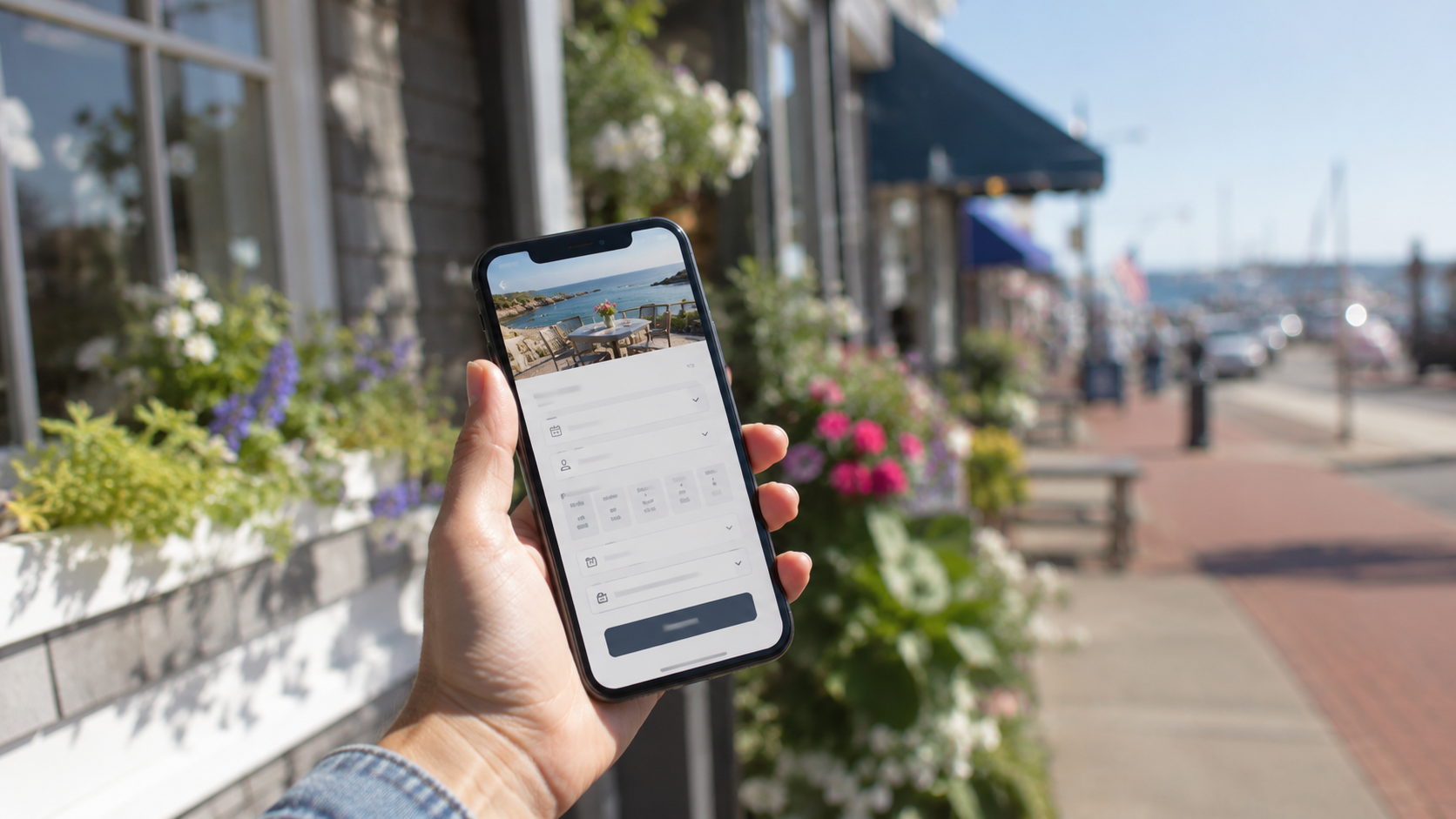
Adding mobile booking isn’t just about convenience. It’s about creating a connected process that supports each step of your customer’s visit. That’s where using web app development services becomes especially helpful.
These tools go a step beyond standard forms by adding practical and user-friendly features like:
A calendar picker that displays only your current availability
Instant reservations with confirmation emails or texts
Mobile-friendly promo codes or booking-only discounts
Many systems can sync with your Google Business Profile, update review listings, and integrate with your back-end calendars. Some even help with tracking repeat customers or inserting reminders for things like balance payments or check-in instructions.
With Cape Cod being so event-heavy in the spring and summer, it's useful to tailor booking features to that rhythm. Think about how a boat tour might need quick updates for weather cancellations, or how a bike shop could show last-minute time slots. Flexible tools make that easier to manage on the backend while still offering a smooth experience for the guest.
Moreover, a streamlined system can help reduce confusion for staff, too. When bookings are fetched in real time and confirmations are automatic, businesses can focus more on providing great service and less on fielding back-and-forth calls.
Make Your Site Work Harder This Spring
There’s a difference between having a functional website and having one that moves your business forward during the busy season. And for most visitor-serving businesses on Cape Cod, the difference often boils down to how mobile-ready it is.
We’ve already seen the shift. People book activities, reservations, and services straight from their phones more than ever. Whether they’re on Route 6 or waiting for their table nearby, your website has a short window to win their trust. A mobile booking feature helps convert that moment into action.
By making those features part of your site now, before the summer rush, you give customers what they're already looking for: a fast, simple way to say yes. And you give your business the steady stream of spring visitors it deserves.
Getting ready for another busy Cape Cod season means your website may not deliver the mobile experience your customers expect. Adding features that support instant reservations, availability updates, and mobile-first design helps convert more visitors into paying customers. Our approach to building simple, effective tools starts with the right foundation, and that's where our web app development services come in. At SandyNeck Media, we build each solution with your goals and your customers' habits in mind, so reach out to us to discuss how to make your site work better this spring.
