Radio Advertising: How to Know If It Makes Sense for Your Business

Radio advertising has been around for decades, which sometimes puts it in a strange category.
For some businesses, it feels outdated.
For others, it still delivers consistent results.
The truth is, radio isn’t “good” or “bad” marketing. Like any channel, it works best in the right context, for the right audience, goals, and timing. The challenge is knowing whether your business fits that context.
Before dismissing radio outright (or jumping in because it feels familiar), it’s worth slowing down and asking a few practical questions.
What Radio Advertising Actually Does Well

Radio’s biggest strength isn’t precision. It’s presence.
Radio works when repetition and familiarity matter more than immediate clicks. It’s especially effective at:
Building local brand awareness
Reinforcing credibility and trust
Staying top-of-mind over time
Reaching people during routine moments (commutes, errands, workdays)
People don’t “browse” radio the way they scroll social media. They live alongside it. That passive exposure can be powerful when expectations are set correctly.
When Radio Often Makes Sense
Radio tends to work best for businesses that check several of these boxes:
1. You Serve a Broad Local Audience
If your customers span a wide age range or include people who aren’t heavy social users, radio can help fill awareness gaps that digital alone may miss.
Service businesses, home services, healthcare, real estate, and local retailers often fall into this category.
2. Your Brand Benefits From Familiarity
Radio shines when recognition matters.
If customers are more likely to choose a business they’ve “heard of”, not just one they discovered in a search, radio can help create that sense of familiarity before they’re ready to buy.
3. You’re Playing a Longer Game
Radio rarely drives instant results. It works best when viewed as a consistency channel, not a quick-win tactic.
Businesses with steady monthly budgets and realistic timelines tend to see better outcomes than those expecting immediate ROI.
When Radio May Not Be the Best Fit
Radio isn’t always the right move, and knowing when not to use it is just as important.
Radio may not make sense if:
Your audience is highly niche or specialized
Your offer relies on immediate action or tracking
Your budget only supports short, one-off placements
You need precise attribution and real-time optimization
In these cases, digital channels may provide more clarity and control.
The Questions That Matter Most Before Deciding
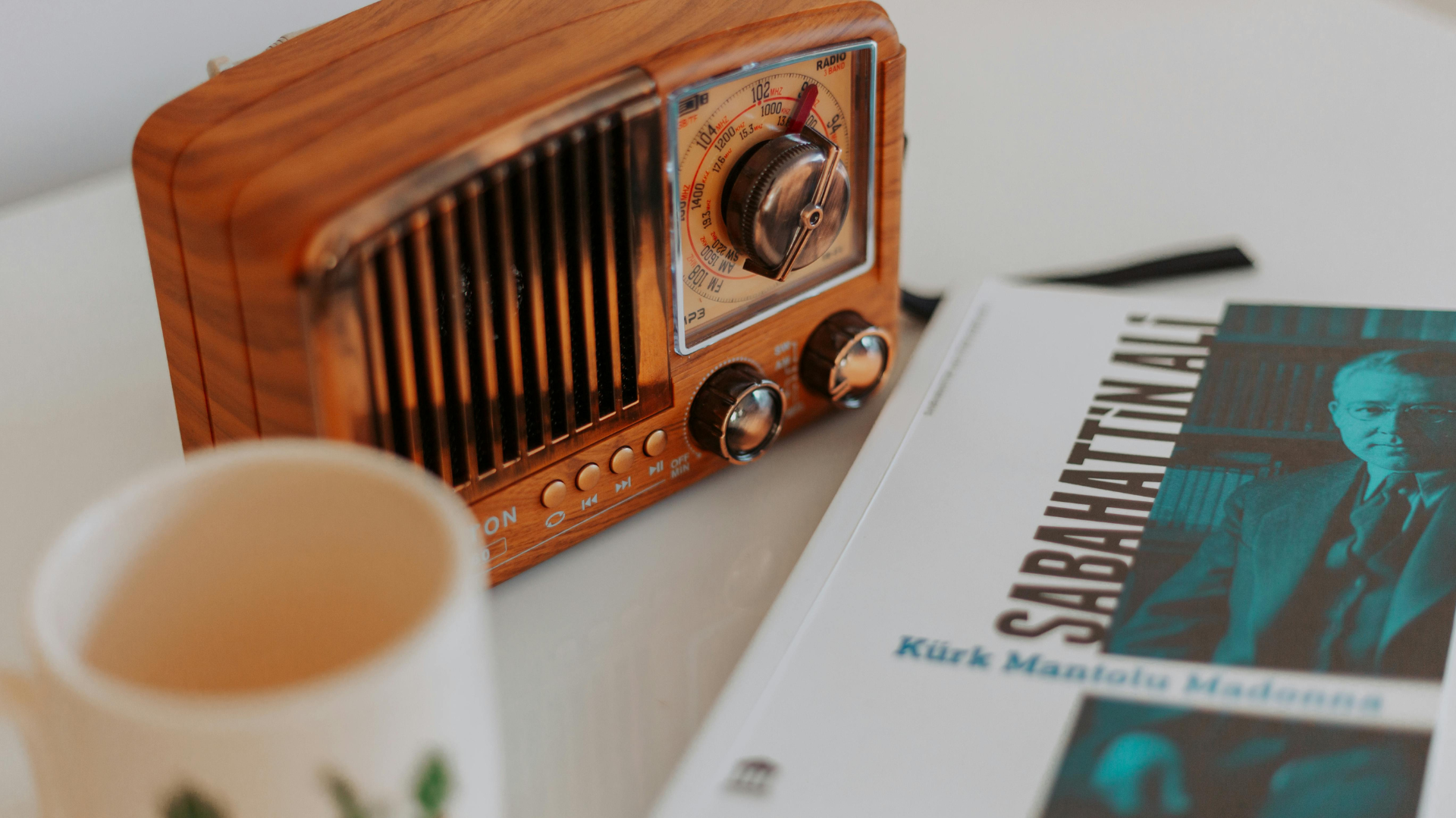
Instead of asking, “Should we do radio?”
Ask:
What role would radio play in our overall strategy?
Are we trying to build awareness or drive immediate response?
Do we have the budget to stay consistent long enough to matter?
How will this integrate with our digital efforts?
What does success realistically look like for us?
Do you have the proper mechanisms in place to track the effectiveness of your campaign?
Radio works best when it’s intentional and carefully crafted, not reactive.
Why Strategy Matters More Than the Medium
One of the biggest mistakes businesses make with radio is treating it as a standalone tactic.
Radio performs best when it supports a broader ecosystem, reinforcing messaging people also see online, on social, or through search. When those channels work together, radio becomes a credibility multiplier instead of a gamble.
Without that alignment, even a well-placed radio buy can feel disconnected and underwhelming.
A Thoughtful Way Forward
Radio advertising isn’t about nostalgia or habit.
It’s about fit.
For some businesses, it can be a steady, confidence-building channel. For others, it’s a distraction from more effective options. The difference comes down to audience, goals, timing, and integration.
That’s not something a rate card can tell you.
Let’s Talk About Whether Radio Is Right for You
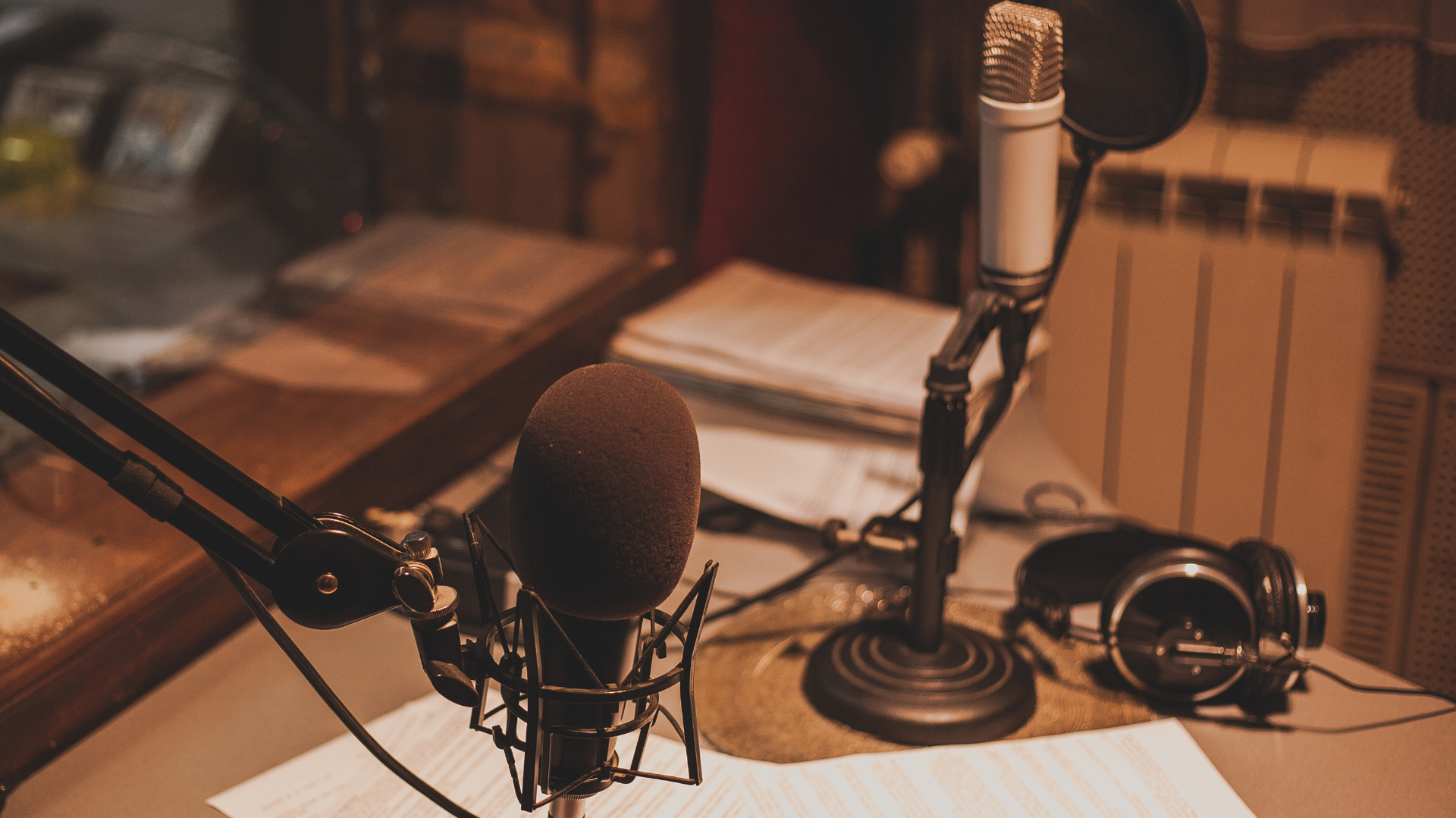
If you’re considering radio, or wondering whether it should play a role in your marketing mix, a conversation can bring clarity quickly.
At Sandy Neck Media, we help businesses evaluate channels based on fit, not trends. If you want a grounded, honest look at whether radio supports your goals, we’re happy to talk it through.
Fill out our contact form and let’s chat.
No pressure. Just perspective.