Why We Spend the Way We Do
(And What That Means for 2026)

The New Year has a way of resetting how we think about money.
Budgets get refreshed. Goals get rewritten. And suddenly, every purchase feels like it needs to mean something.
But here’s the thing: we don’t treat all money the same, even when it’s technically equal. That’s not a flaw in our logic. It’s human psychology.
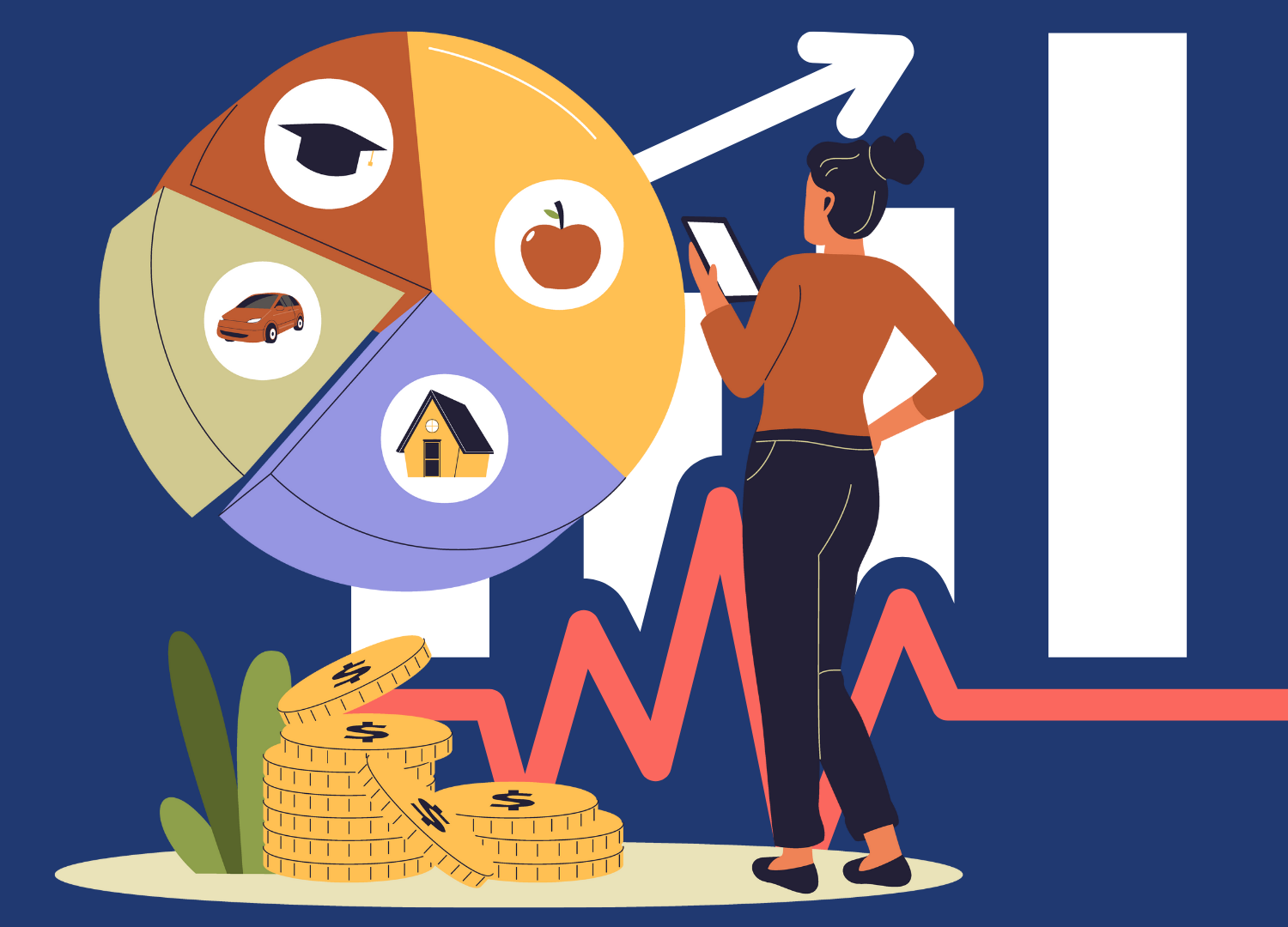
Behavioral economists call this mental accounting, the idea that we subconsciously sort money into different “buckets” depending on where it comes from or what it’s meant for. Rent money. Savings money. Treat-yourself money. Even “found money.”
On paper, a dollar is a dollar. In real life? It carries context, emotion, and intention.
Understanding this matters, not just for marketers, but for any business trying to connect more thoughtfully with people in a season where spending feels more intentional than ever.
The Invisible Buckets Behind Every Purchase
Imagine stumbling across extra cash you didn’t expect, maybe a small refund, a holiday bonus, or a gift card tucked into a card. That money feels lighter. Easier to spend. Almost permission-based.
Compare that to money earned through extra hours or pulled from savings. Same amount. Very different emotional weight.
Our brains don’t just track numbers, they track meaning. And we’re surprisingly protective of spending from the “wrong” bucket.
For local Cape Cod businesses, this matters. Where your product or service lands mentally can shape how easy the decision feels for your potential customers or clients.

Three Ways Mental Accounting Shows Up in Everyday Marketing

1. Why “Bonus” Money Feels Different
Gift cards and credits tend to live in a low-friction category for consumers. They don’t feel like bills or obligations, they feel like permission to enjoy.
That’s why they’re often used for small indulgences: coffee, dining out, experiences. It’s not about the discount, it’s about how the money is framed.
For businesses, this reinforces an important principle: when spending feels separate from daily finances, people are more relaxed, more open, and often more generous with themselves.
2. One Payment, Many Wins
Paying once hurts less than paying repeatedly, even if the total is the same.
That’s why bundled pricing tends to feel simpler and more approachable. The “pain” happens once. The benefits, meanwhile, can be experienced over time.
You see this everywhere: memberships, packages, seasonal offerings. One commitment upfront, followed by a series of small moments that reinforce value.
When customers clearly understand what they’re getting, and feel the benefits repeatedly, it shifts their focus from cost to experience.
3. When Spending Feels Like Self-Investment
Some payments feel less like expenses and more like promises, to ourselves.
Subscriptions tied to wellness, education, creativity, or personal growth often live in a different mental category altogether. They’re not framed as consumption, but as alignment with who someone wants to be in the year ahead.
This is especially relevant in January, when people are already thinking about better habits, clearer priorities, and long-term value.
The takeaway? When a purchase connects to identity or purpose, the transaction feels more meaningful, and less transactional.
A New Year Takeaway
As 2026 begins, people aren’t just asking “Can I afford this?”
They’re asking “Does this belong in the right bucket?”
Clarity, familiarity, and intention go a long way. When businesses communicate value in a way that respects how people actually think, rather than how spreadsheets assume they do, trust grows naturally.
And trust, especially in close-knit communities like Cape Cod, is what sustains relationships long after the New Year energy fades.
Ready to approach your marketing with more intention this year?
We help Cape Cod and Southern Coastal Massachusetts businesses connect with customers in ways that feel clear, thoughtful, and human. Reach out to schedule a consultation.
Want more insights like this, grounded in real behavior and local context?
Subscribe to Sandy Neck Media’s monthly newsletter for practical marketing ideas that help your brand stay visible, relevant, and trusted year-round.