
Guide to Creating Local Landing Pages That Convert Tourists
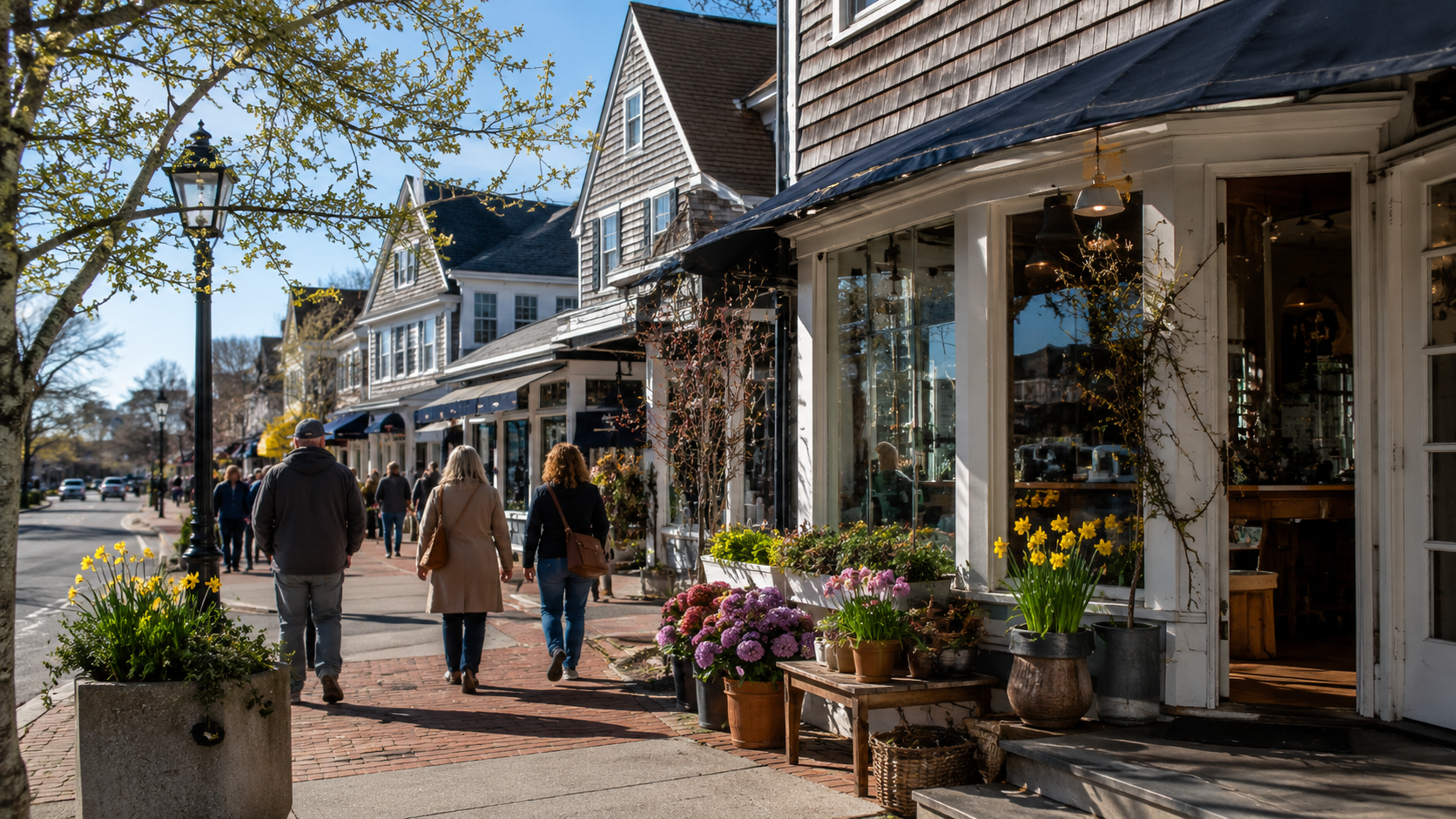
When tourists start planning their spring getaways to Cape Cod, they’re not just thinking about beaches and lighthouses. They’re opening their phones, looking up where to eat, what to do, and where to stay. That’s where local landing pages come into play. These pages are often the first impression a business makes on someone new to the area. When built right, they answer questions quickly, build trust, and encourage people to take the next step, whether that's booking a room, grabbing a meal, or stopping by.
We often talk about digital marketing in Cape Cod through the lens of local connection. Landing pages are one of the best ways to create that connection. They speak directly to visitors who are unfamiliar but curious, helping them feel welcome and informed. And as spring approaches, it's the perfect time to get these pages in shape before the seasonal crowds arrive.
Building for the Out-of-Towner Mindset
Most locals can spot a tourist site from a mile away. But tourists? They’re just trying to make sense of a new place, usually with little time and even less context. That’s why it’s so important for businesses to think from their point of view, especially heading into spring when travel planning picks up.
When someone lands on your page for the first time, it should feel straightforward. Clear directions, simple hours, and language that doesn’t assume they already know the neighborhood are key. If you’re a sandwich shop in Harwich Port or a boutique in Chatham, name those towns clearly. Add references to the nearby beach or a well-known intersection. This helps visitors quickly figure out if you fit into their travel plans.
A helpful local landing page might use cues like:
Nearby attractions that travelers might already be researching
Specific town names, especially those smaller villages tourists might struggle to place
Mention of seasonal events, like local markets or spring festivals underway nearby
These small location signals make a big impact. They anchor the page in a real place and spark the kind of relevance that matters when people are unfamiliar but curious.
If you want to help out-of-town visitors feel welcome, your landing pages should give them plenty of orientation. Point them to the right cross streets or recognizable landmarks, so that when they pull into town, they feel confident about how to find you. Including neighborhood details not only guides their way, but also makes your business memorable when they compare options.
Additionally, remember that tourists are often searching for comfort and convenience. By adding a frequently asked questions (FAQ) section tailored to visitors who may not be familiar with the area, you can help alleviate any concerns or confusion about parking, reservations, pet-friendliness, or seasonal hours. Even letting guests know if there’s an ATM nearby or places to grab a coffee makes your business feel like a natural part of their visit.
Design That Makes It Easy to Say Yes
A beautifully written page won’t do much if it takes too long to load or if visitors can’t make sense of it quickly. Tourists are often on the move, using mobile phones in unfamiliar places, so the design has to work hard in a short amount of time.
First, we focus on how the page looks on a phone. Buttons need to be easy to tap, menus should be simple, and text should be easy to read on a small screen. No one wants to pinch and zoom just to find your hours.
Beyond mobile friendliness, a good design should guide the eye without pushing too hard. Visitors will scan before they read, so make it easy to get the key info fast. That might mean bold headlines like “See Our Spring Hours” or “Find Us Near Skaket Beach.”
Visuals matter too, especially for out-of-towners who want to get a feel for the area. Clean, high-quality photos of your location, staff, or even outdoor shots with Cape Cod’s early spring look, bare trees, cool sun, and empty beaches can give a sense of what to expect. This helps visitors build trust and feel more confident about stopping by.
Don’t underestimate the importance of accessibility. Ensure color contrast is strong and text is large enough to read. You want everyone, no matter their age or tech skill, to navigate your page without trouble. Design elements like icons for restrooms or free parking can also quickly communicate perks that matter to travelers.
If your site offers special features, like virtual tours or a calendar of spring events, make sure these are front and center, easy to find no matter what device people are using. A few interactive elements can make your page stand out in a sea of generic listings.
What Makes a Page Feel “Local Enough”
A local landing page isn’t just about naming your street or town. It’s about making someone feel like your place fits into the fabric of Cape Cod. For spring visitors, that might mean pointing to seasonal changes, like new menu items, spring re-openings, or slightly longer hours as the weather warms up.
Trust builds quickly when a page feels real and grounded in place. One way to show that is through authentic photography. A photo of your patio with spring lights going up, or a peek at your location with early blooms outside, helps people imagine themselves there.
We aim for short, friendly copy that reflects how people speak around here. That means using nearby town names where it makes sense, keeping phrases relaxed but clear, and being honest without overloading tourists with local slang or tight-packed details.
To improve how well search engines match the page to the right visitors, it helps to include a mix of:
Headlines with location-specific terms
Short paragraphs that explain what someone can do or find at your business
Keywords related to early spring activities in the area, written naturally into the flow
Good local SEO supports visibility, but the content still needs to feel like it's written for humans.
Think about the seasonal elements that make Cape Cod unique in the spring. This could be the return of farmers markets, festivals, or specialty products only available during this time of year. Highlighting these simple details helps visitors see that you’re an active, engaged part of the community, not just another faceless business.
If your business changes its offerings once spring begins, be clear about those updates. Mention crisp salads, patio dining, or early reservation specials to give would-be travelers an enticing preview of what’s in store.
Turning Looks Into Bookings
Once people feel like your page speaks to them, they’re far more likely to take the next step. But clicking a button or filling out a form on a new business’s website shouldn’t feel like a big decision. We keep the tone light and helpful. No pressure.
That next step could be anything: book a room, reserve a table, call ahead, or check your hours. To guide that, we like to keep the language friendly and action-oriented. Instead of “Submit,” try “Plan Your Visit” or “Check Your Spring Dates.” These small tweaks lower resistance and make the action feel more like part of their travel plan.
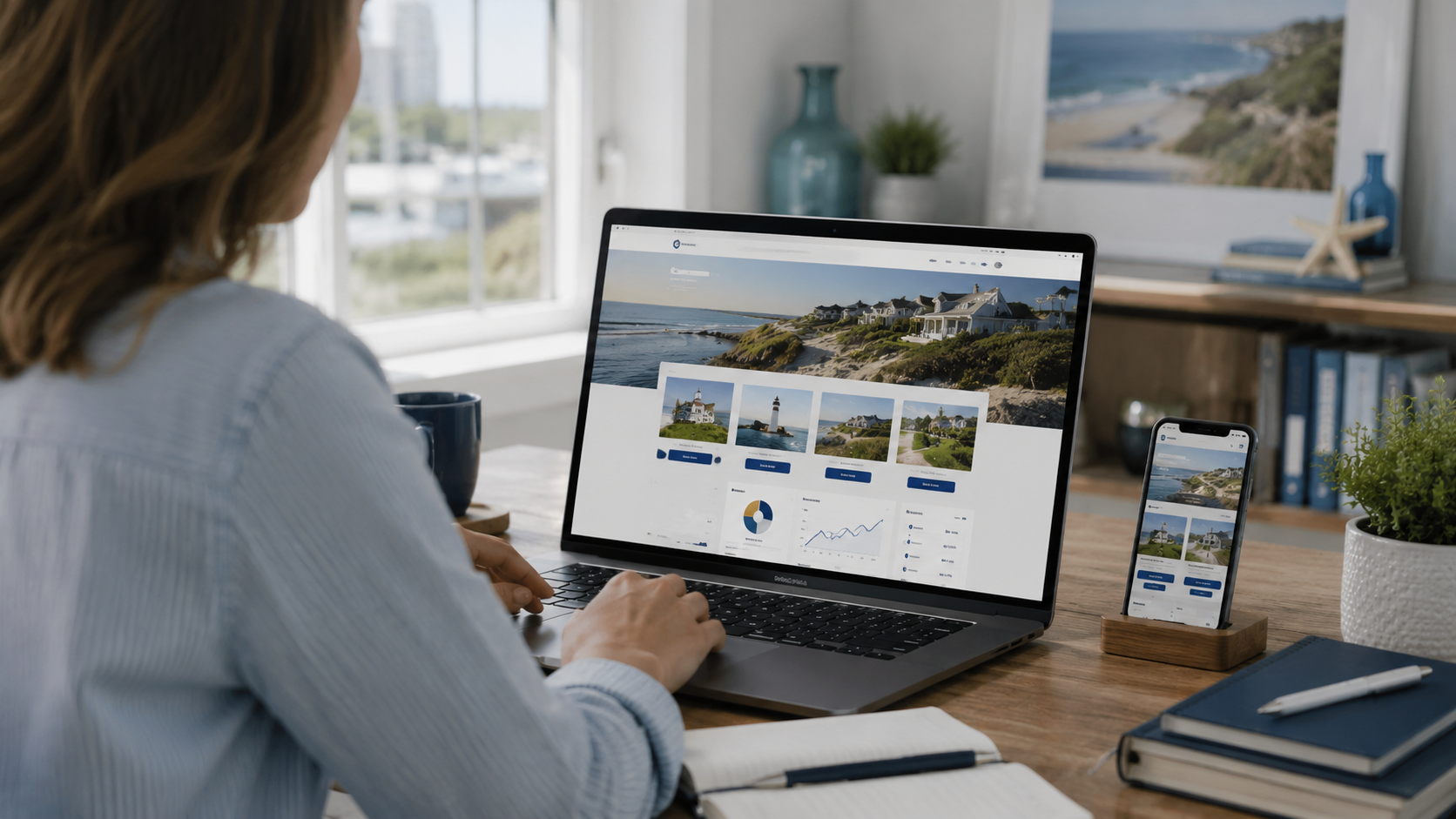
To know if the page is working, we track what people click, how long they stay, and what actions they complete. This helps us adjust headlines, images, and timing. It's part of how we think about digital marketing in Cape Cod: aligning your digital presence with what real visitors actually need and respond to.
Consider using testimonials from tourists who visited last spring. A short quote about a great meal or easy parking can nudge new visitors to do the same. If you have positive reviews on Google or travel sites, showcase them nearby your booking button to boost credibility.
Also, minimize the amount of information required for your forms. Fewer fields mean a faster process, which makes all the difference to someone using a phone with spotty vacation Wi-Fi. Make your directions to your business clear and simple, and let people know if they can expect free parking or easy curbside pickup. These finishing touches increase the chance of converting looks into bookings.
Making Tourists Feel Like Locals
Strong local landing pages help businesses meet people at just the right moment, when they’re researching, dreaming, or about to head out the door. A page that’s smart about location, clear in design, and easy to act on can turn an online search into a real-world visit.
We’ve noticed that even small updates make a big difference. Swapping outdated photos for fresh spring shots. Refreshing your copy as hours or services shift. Or just adding a note that reminds visitors you’re open and getting ready for the season. These are the kinds of touches that make a page feel personal, warm, and grounded.
In places like Cape Cod, where so much depends on seasonal habits, a little care in how your landing page is built can help you welcome more visitors and make their stay a little better. What you say online shapes who shows up in person, and that connection starts with a simple, thoughtful page.
At SandyNeck Media, we know seasonal traffic matters, and now is the time to make sure our landing pages work as hard as you do. A fresh, local focus helps travelers connect quicker and act faster when they discover you online. Every detail from messaging to layout should align with how spring visitors search, scroll, and decide. If you're thinking about improving your visibility through digital marketing in Cape Cod, we can help you create pages that truly deliver. Reach out today to get started.
