
How Real Estate Websites Attract Buyers Across Cape Cod Towns
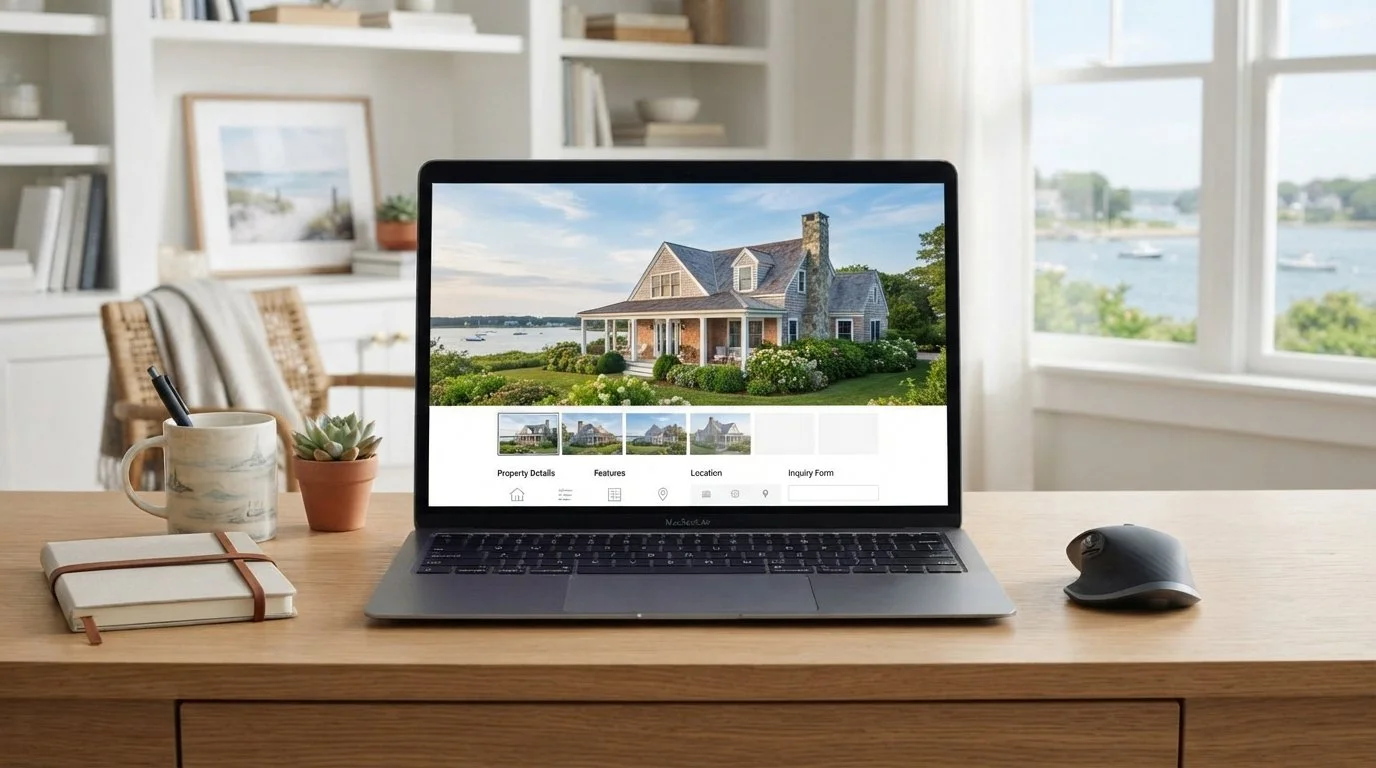
Spring is on the way, and buyers across Cape Cod are already starting their home search online. From young families thinking about summer to retirees looking for a cozy spot by the water, the interest picks up fast this time of year. A real estate website can help those buyers find the places that feel right, long before they reach out to schedule a tour. Good website design does more than list homes. It shows buyers what life could look like in each town, from Sandwich to Chatham.
We have seen how web development in Cape Cod plays a key role in drawing that attention. Building clean, fast, and easy-to-use sites helps buyers focus on what matters instead of getting lost or frustrated. For local agents and brokers, having a website that puts the area's charm front and center makes it easier to connect with the right buyers at the right time.
What Local Buyers Look for on Real Estate Websites
When someone is thinking about buying a home, especially in a place as unique as Cape Cod, they are not just looking at square footage. They are trying to picture their day-to-day life. That is why the layout and features of a real estate site matter so much. Good design should remove stress and make the decisions feel easier. The best sites include:
Simple filters that let visitors search by town, price, number of bedrooms, or home type
Photo galleries that let the character of each property shine through
Clear, helpful info about the nearby schools, parks, beaches, and favorite local spots
When people get that kind of content, they stick around longer. They start dreaming. They start planning. Suddenly, a vacation idea turns into choosing where to live full-time or at least seasonally. That is the point when the website starts doing real work.
Designing for Mobile Shoppers on the Go
Most people are not sitting at a desk when they start browsing listings. They are scrolling during lunch breaks or looking on their phone after dinner. We always keep that in mind when we think about real estate site design, especially during the spring rush. If a page takes too long to load or is hard to read on a phone, interest drops fast.
Visitors need to move through a site without getting stuck. That means keeping things quick and clear. Here are a few ways to help with that experience:
Make sure text is large enough to read without zooming
Use buttons that are easy to tap, even on small screens
Give people simple ways to get in touch, like “Schedule a Tour” or “Ask a Question” links that work on mobile
Sites that feel easy to explore work better. They make people want to come back, and returning visitors are often the ones who are ready to take the next step.
Telling a Hyper-Local Story with Website Content
Every town on the Cape has its own feel. Sandwich might appeal to someone looking for history and walking paths, while Dennis might attract a buyer who cares about quick beach access. A website should help tell those stories.
We create pages that do not just list homes. They show what it is like to live in each place. That could mean adding short notes about what mornings look like near downtown Harwich or highlighting why Orleans is great for families with young kids.
What makes this hyper-local approach work:
Describing the feeling of the town, not just the geography
Writing property descriptions that explain what makes a home stand out
Creating landing pages by town so buyers can explore by the area they are most curious about
When everything starts to feel more real and personal, buyers usually invest more time on the site. That is often the first step toward them taking action.
How Smart Web Development Builds Trust
We have done enough web development in Cape Cod to know that looks alone do not build buyer trust. Function matters just as much. Spring is a busy stretch, and if a site is slow or has broken links, people leave fast. If a site does not feel safe, they will not share any contact details.
We focus on the things that make buyers feel like a site is reliable. This includes solid hosting that keeps the site stable, having menus that work smoothly, and removing mess or clutter from the layout. Another piece of the puzzle is trust symbols. Whether it is a visible SSL certificate or terms that explain privacy practices, people should feel secure as they browse.
A good site helps guide someone gently from just looking to filling out a short form or setting up a showing. Technical details may seem invisible, but they are often the element that allows that momentum to build.
Why Adding Extra Features Can Boost Engagement
Some listings hold attention right away. Others need a little extra help. That is where supportive features on the site make a big difference. Giving visitors more ways to interact with a listing or explore the area around it helps them stay curious. For instance, some buyers may want to know about public transportation or seasonal events before committing to view a property, so useful features that answer those questions make a website more effective.
If the listing looks right but the buyer is unsure about the neighborhood, an interactive map or quick area guide might answer that hesitation. If they cannot visit right away, a short video tour gives a better feel than static photos alone.
Helpful features might include:
Clickable maps showing town boundaries and amenities
Embedded walk-through videos or 3D tours
A blog or FAQ page that answers common questions about buying in different regions of the Cape
These tools do not have to be complicated to be useful. They just need to match what a buyer might be thinking about and help answer those thoughts in real time. By ensuring your site feels interactive in this way, you create opportunities for buyers to get information on their own terms and return as their curiosity grows.
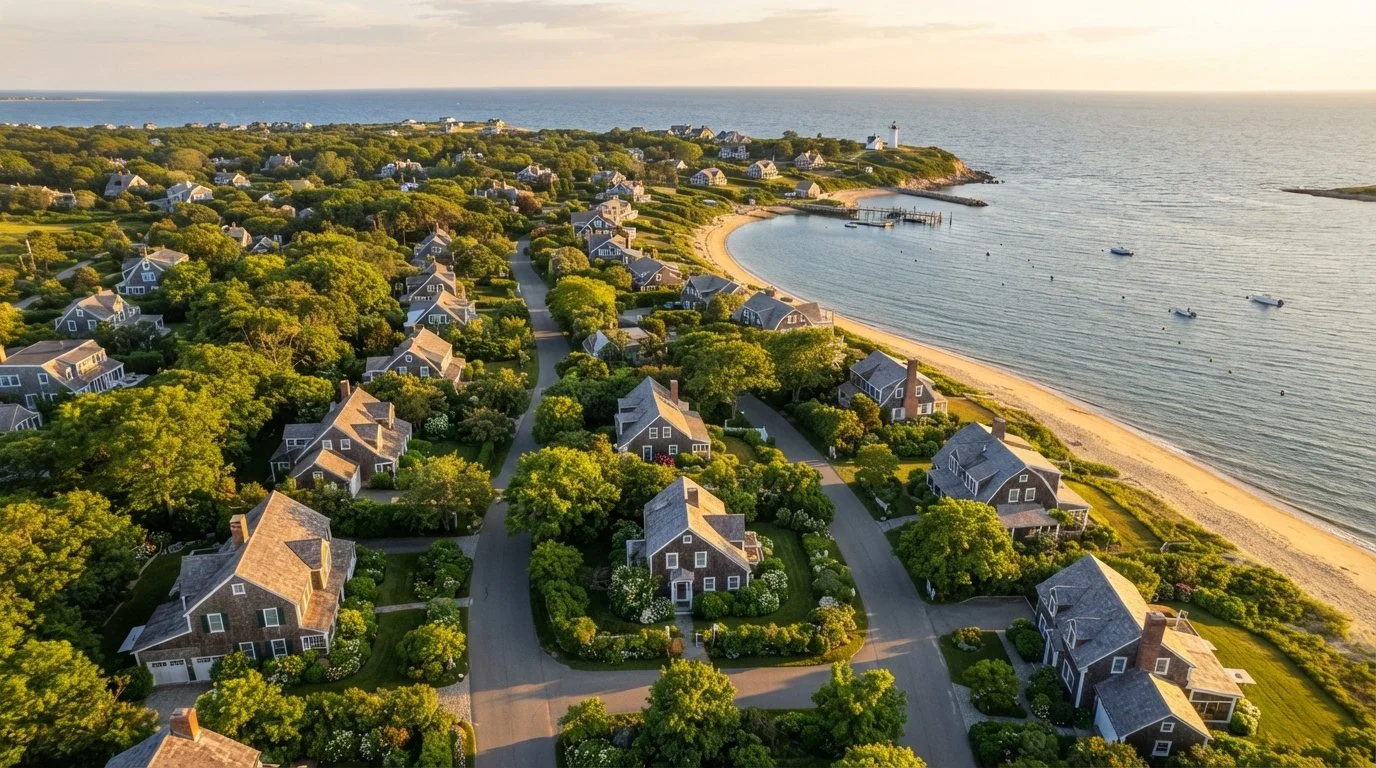
Helping Buyers Picture Themselves in a Cape Cod Home
By the time people start reading all the small details of a listing, they are already imagining if the place could work for them. A site should help carry them through that thought process without pushing too hard. Simple design, strong images, and helpful page flow all make it easier to picture what life might feel like inside that home.
Cape Cod draws buyers in with charm and scenery, but the right website makes those things easier to see clearly. If a site feels local, friendly, and simple to use, it quietly builds trust and keeps visitors clicking. When that happens, they get closer to taking the next step. Getting people to feel noticed, welcomed, and informed while they browse, that is what keeps things moving in the right direction.
At SandyNeck Media, we know that the structure behind your real estate website is as important as its content in helping your listings connect with buyers this spring. The sites that perform best across Cape Cod are simple, responsive, and rooted in the neighborhood experience. We build with local buyers in mind, making sure every element from layout to features supports clear next steps. Learn more about our approach to web development in Cape Cod to bring these ideas to life and contact us today if you are ready to talk through your goals.
